
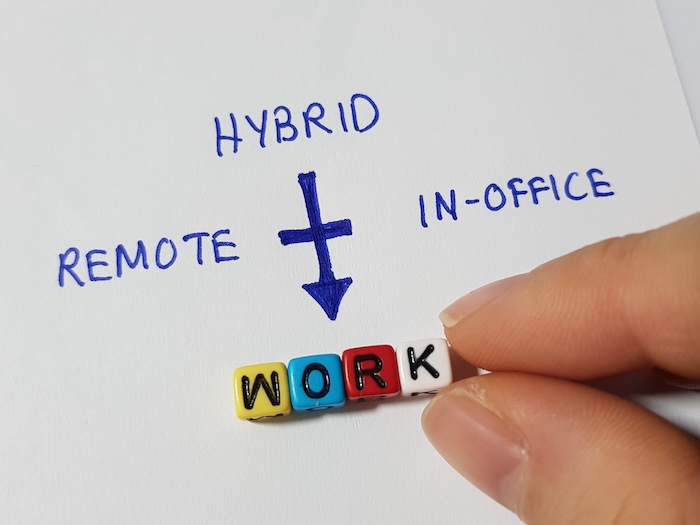
As more companies look to India to scale their teams, one practical question comes up early:
Should you build a fully remote team, set up an office, or do something in between?
There isn’t a one-size-fits-all answer. Both models can work well but they lead to very different experiences in terms of cost, culture, communication and long-term scalability.
Understanding the trade-offs is key to making the right decision for your business.
The Rise of Remote Teams in India
Remote work has become the default for many companies hiring in India, particularly in tech, marketing and support roles.
The appeal is obvious. You can hire quickly, avoid the cost and complexity of physical infrastructure, and access talent from across the country rather than being limited to one city.
For startups and growing businesses, this flexibility is often a major advantage.
Remote teams also tend to be easier to scale. You can add new hires without needing to think about office capacity, leases or logistics.
The Case for Office-Based Teams
Despite the growth of remote work, office-based teams are still common in India especially for companies building larger or more structured operations.
An office environment can create stronger day-to-day collaboration. It’s often easier to onboard new employees, establish routines, and build a shared culture when people are working in the same physical space.
For certain roles, particularly those that require close coordination or supervision, this setup can improve consistency and communication.
There’s also a perception benefit. For some companies, having a physical presence in India adds credibility and stability, particularly when working with enterprise clients or handling sensitive operations.
Key Differences That Matter
The choice between remote and office-based teams isn’t just about location, it affects how your team functions.
With remote teams, communication tends to be more structured and intentional. Meetings, documentation and processes play a bigger role in keeping everyone aligned.
Office-based teams, on the other hand, benefit from more spontaneous interaction. Questions get answered quickly, and collaboration can feel more natural.
Cost is another important factor. Remote teams typically have lower overhead, while office-based setups introduce expenses such as rent, utilities and equipment.
However, cost shouldn’t be viewed in isolation. The right setup is the one that supports performance, not just savings.
What Founders and Teams Often Overlook
One of the most common mistakes is assuming that remote automatically means easier.
In reality, remote teams require strong systems. Without clear communication, structured workflows and good management practices, performance can suffer.
At the same time, setting up an office isn’t always as straightforward as it sounds. It involves logistics, local knowledge, and ongoing management that many companies underestimate especially when operating from another country.
The real challenge isn’t choosing between remote or office. It’s choosing a setup that fits how your business actually operates.
When Remote Teams Work Best
Remote teams are particularly effective for companies that already have experience managing distributed teams or operate in a digital-first environment.
They tend to work well when roles are clearly defined and outcomes are measurable. Developers, designers, marketers and support teams can all perform at a high level in a remote setup when expectations are clear.
For startups and agencies, remote hiring in India often provides the fastest and most cost-effective way to scale.
When an Office-Based Setup Makes More Sense
An office-based team can be a better fit when collaboration is highly intensive or when you’re building a larger, long-term presence in India.
It can also help when onboarding multiple employees at once, particularly if they are junior or require more guidance.
For companies that prioritise structure, routine and close supervision, an office environment can create more consistency.
The Hybrid Approach: Increasingly the Preferred Model
In practice, many companies are moving towards a hybrid approach.
This might involve a primarily remote team with access to office space when needed, or a mix of remote and office-based employees depending on role and function.
A hybrid model offers flexibility without losing the benefits of in-person collaboration. It allows companies to adapt as their team grows, rather than committing fully to one approach from the start.
The Real Challenge: Setting It Up Properly
Whether you choose remote, office-based or hybrid, the biggest hurdle is usually not the model itself, it’s the setup.
Hiring in India involves more than just recruiting talent. You need to think about employment contracts, payroll, compliance, equipment, and in some cases office infrastructure.
Without local expertise, this can quickly become time-consuming and complex.
This is often where companies run into delays or make compromises that affect long-term performance.
How Orbit Offshore Supports Both Models
Orbit Offshore is designed to support companies regardless of how they choose to structure their team.
If you prefer a remote setup, we help ensure your employees are fully equipped, onboarded and supported, with all employment and compliance handled behind the scenes.
If you need office space, we can assist with sourcing and setting up a physical environment that works for your team.
In both cases, you remain in control of your employees and how they work, while we manage the operational and legal requirements in India.
Choosing What Works for Your Business
The decision between remote and office-based teams isn’t about which model is better in general. It’s about which one fits your goals, your team structure and your way of working.
Some businesses prioritise flexibility and speed, making remote the obvious choice. Others value structure and in-person collaboration, making an office more suitable.
For many, the best answer lies somewhere in between.
Build the Right Setup Without the Complexity
If you’re looking to build a team in India whether remote, office-based or hybrid, Orbit Offshore can help you set it up the right way.
We handle employment, payroll, compliance, and operational support, so you can focus on building and managing your team.
FAQs
- Are remote teams in India effective?
Yes, remote teams in India can be highly effective, particularly for roles in technology, marketing and support. Success depends on clear communication, strong processes and good management.
- Is it better to have an office in India?
An office can be beneficial for collaboration, onboarding and team structure, but it also adds cost and complexity. The right choice depends on your business needs and team setup.
- Can you build a hybrid team in India?
Yes, many companies use a hybrid approach, combining remote work with optional office space. This offers flexibility while still allowing for in-person collaboration when needed.
- What is the cost difference between remote and office teams in India?
Remote teams typically have lower overhead costs, while office-based teams involve expenses such as rent, utilities, parking and infrastructure. However, overall value depends on productivity and team performance.
- How do you manage remote employees in India?
Remote employees can be managed using clear workflows, regular communication, and performance tracking. Many companies use tools like Slack, Zoom and project management platforms to stay aligned.
- Do you need a legal entity to hire in India?
No, you can hire employees in India without setting up a legal entity by using an Employer of Record (EOR), which handles compliance and payroll on your behalf.